
Academic Studies
Cultivating Character
Insights from theological, educational, philosophical and mystical perspectives, as seen through an Islamic lens, are utilised for the purpose of per sonal development. In light of this, the book analyses the extent to which self-cultivation can be considered an educational goal according to virtue ethics. Virtue is conceptualised as an integral part of education, including Islamic religious education.
The opening section of the book focuses on theoretical reflections concerning the moral constitution of human beings. These reflections are then made more concrete through the practical categories and core virtues of justice, sincerity, compassion and friendship.
Die tugendethische Selbstkultivierung
Insights from theological, educational, philosophical and mystical perspectives, as seen through an Islamic lens, are utilised for the purpose of personal development. In light of this, the book analyses the extent to which self-cultivation can be considered an educational goal according to virtue ethics. Virtue is conceptualised as an integral part of education, including Islamic religious education.
The opening section of the book focuses on theoretical reflections concerning the moral constitution of human beings. These reflections are then made more concrete through the practical categories and core virtues of justice, sincerity, compassion and friendship.
Chanting Şalawāt as a Form of Self-Cultivation
This article offers a descriptive analysis of a specific form (uṣūl) of prophetic eulogy (ṣalawāt) as vocally performed within Sufi orders such as the Rifāʿiyya, Qādiriyya, and Jarrahiyya of today’s Türkiye. It combines a music–theoretical and music–sociological as well as ritual–theoretical perspective to examine how the structured performance of these chants functions both as a spiritual practice and as a means of social formation. Drawing on this dual perspective, the article analyses the underlying musical structures and elements of the ṣalawāt chant, such as melody, rhythm, harmony, modal frameworks, and dynamics. By examining how these formal aspects shape the aesthetic experience, emotional resonance, and theological significance of the eulogy, the study aims to highlight its performative and affective potential within Sufi devotional practice. Within the ritual framework of Sufi orders (ṭarīqa), this rhythmic and collective performance acts as a practice of tazkiya an-nafs (self-purification), cultivating attentiveness, moral refinement, and communal belonging through synchronized voice, breath, and bodily presence. The repeated invocation of the Prophet Muḥammad, venerated as the perfect human (al-insān al-kāmil), thus becomes a means of fostering inner transformation and spiritual proximity. In this way, ṣalawāt chanting mediates religious meaning not only through text but through embodied experience and performative devotion.
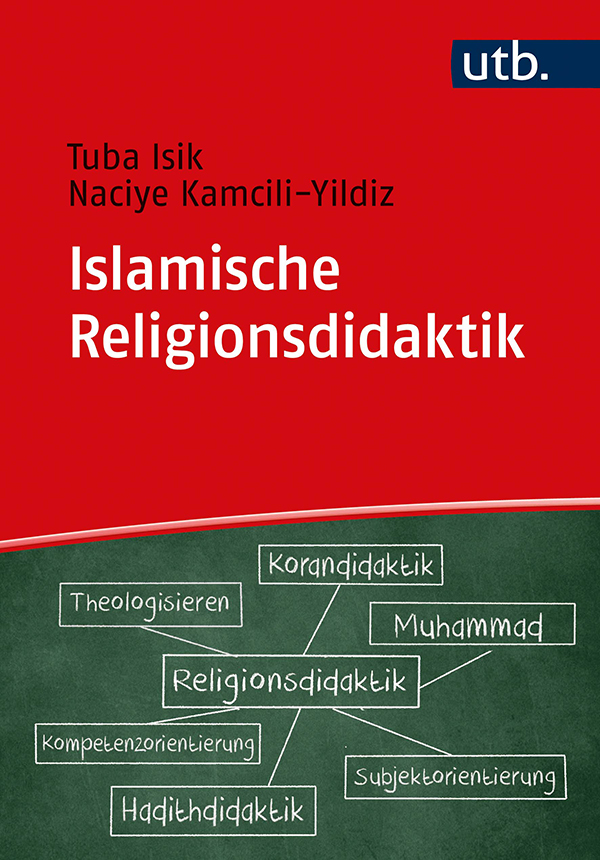
Islamische Religionsdidaktik
Good teaching requires good preparation. This workbook and study guide provides a systematic overview of theories and approaches to Islamic teaching methodology, enabling teachers to plan and deliver successful religious education lessons. In-depth exercises, fact boxes, and concrete examples help teachers and students prepare for lessons and develop their skills.
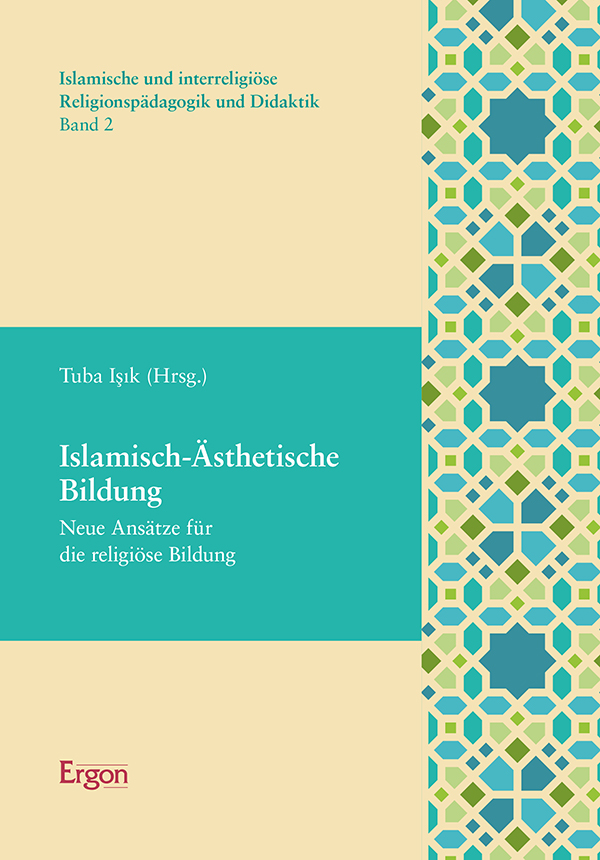
Islamisch-Ästhetische Bildung
This book explores various approaches to religious education, offering new perspectives on storytelling, music, performance, film, images, museums, Quranic recitation and kamishibai. These approaches can stimulate aesthetic learning processes. The book aims to contribute to the cultural and aesthetic education of Muslim children and young people in particular. It is guided by the principle that religious education should promote holistic aesthetic education as well as cognitive performance.
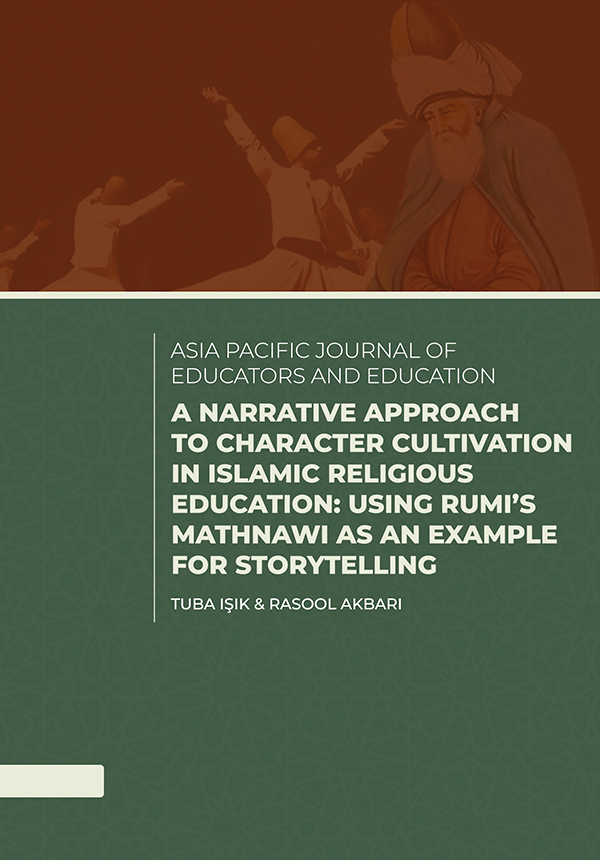
A Narrative Approach to Character Cultivation in Islamic Religious Education
This book explores various approaches to religious education, offering new perspectives on storytelling, music, performance, film, images, museums, Quranic recitation and kamishibai. These approaches can stimulate aesthetic learning processes. The book aims to contribute to the cultural and aesthetic education of Muslim children and young people in particular. It is guided by the principle that religious education should promote holistic aesthetic education as well as cognitive performance.
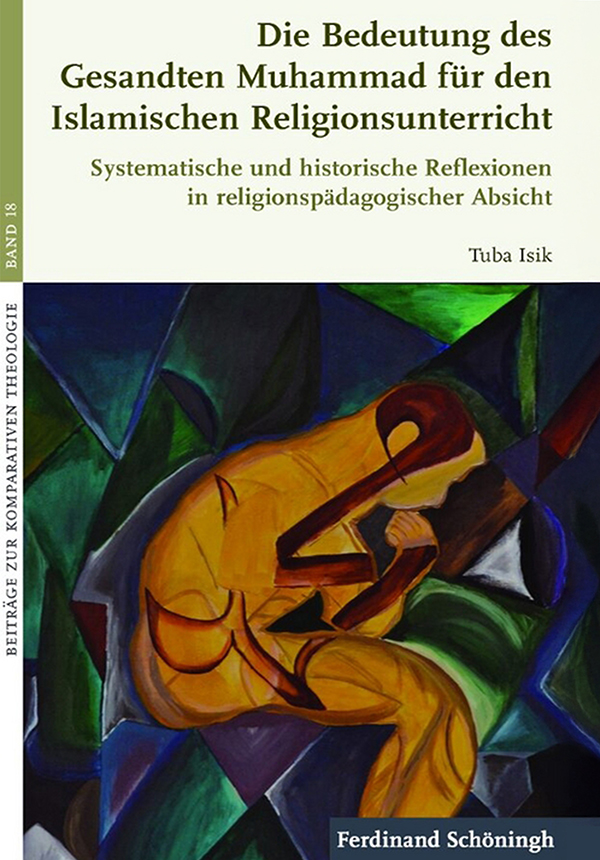
The Prophet Muhammad in Islamic Religious Education
The Prophet Muhammad is regarded by Muslims as an ideal to be emulated. He should and does play a central role in Islamic religious education.
Theological reflection is needed to counteract tendencies toward exaggeration in traditional depictions of the Prophet. As the first Islamic theological work to be based on the methodological standards of modern Western religious education, this volume highlights various discourses of traditional apologetics of Islamic prophecy. With regard to Islamic religious education, it pays particular tribute to Muhammad in his regulative function and presents him as a grounded prophetic figure.
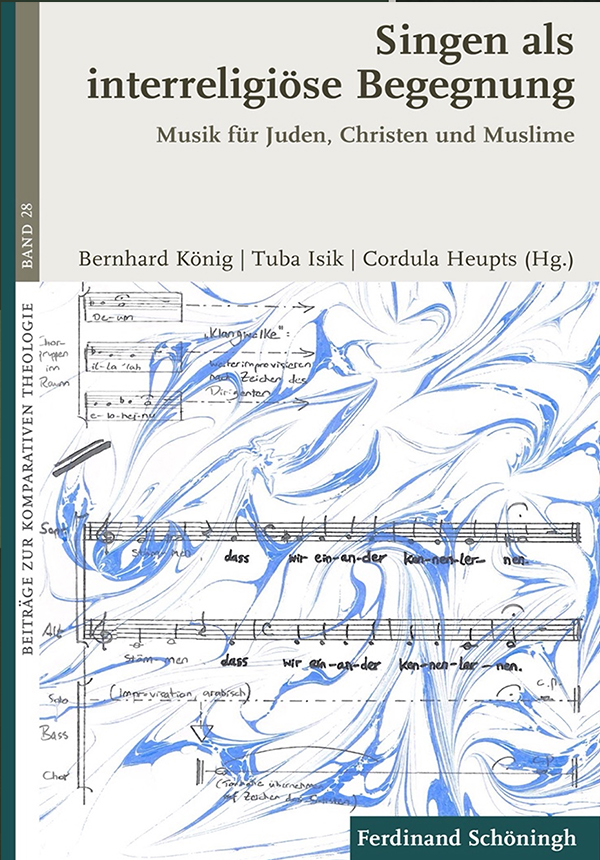
Singen als interreligiöse Begegnung
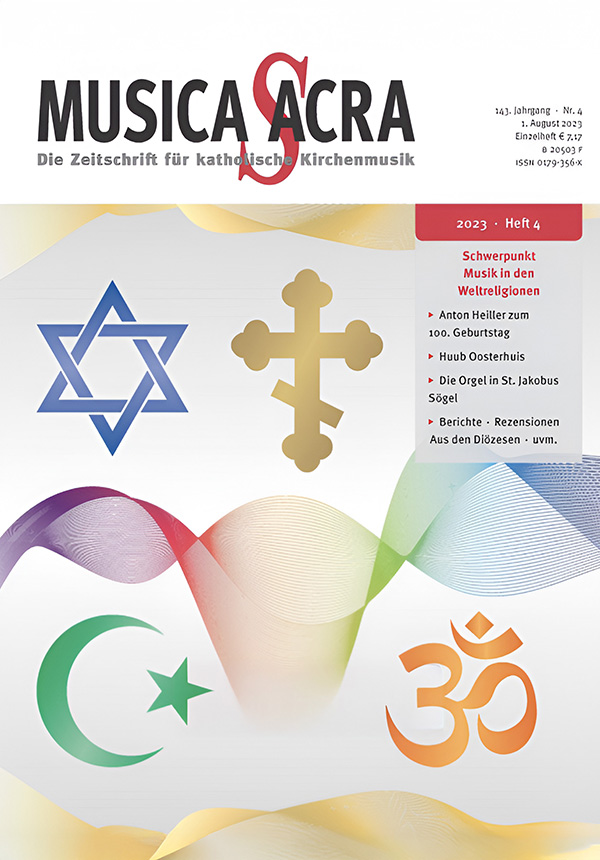
Can Jews, Christians, and Muslims sing together? Can they share their sacred music with one another? Can music even become an asset in interfaith dialogue?
Erzählen als Lehrform
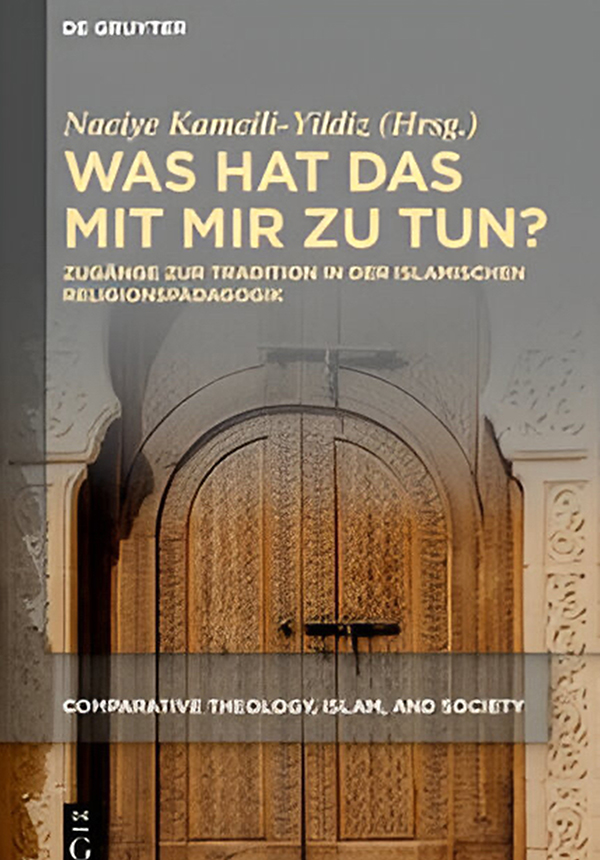
The text highlights storytelling as a central method in Islamic religious education. A contemporary curriculum in Islamic Religious Education should link theological content with the lived realities of the students. Narratives from the Islamic tradition possess aesthetic and emotional impact; they foster understanding, shifts in perspective and identity formation, and offer guidance in a complex world. Tuba Isik argues for a critical analysis and didactic adaptation of traditional stories so that they become accessible to children. In this way, they can serve as the basis for a narrative ethic and make religious practice more comprehensible. Storytelling thus remains an essential element of religious-aesthetic education.
Musik im Islam
Prophetie in Islam und Christentum
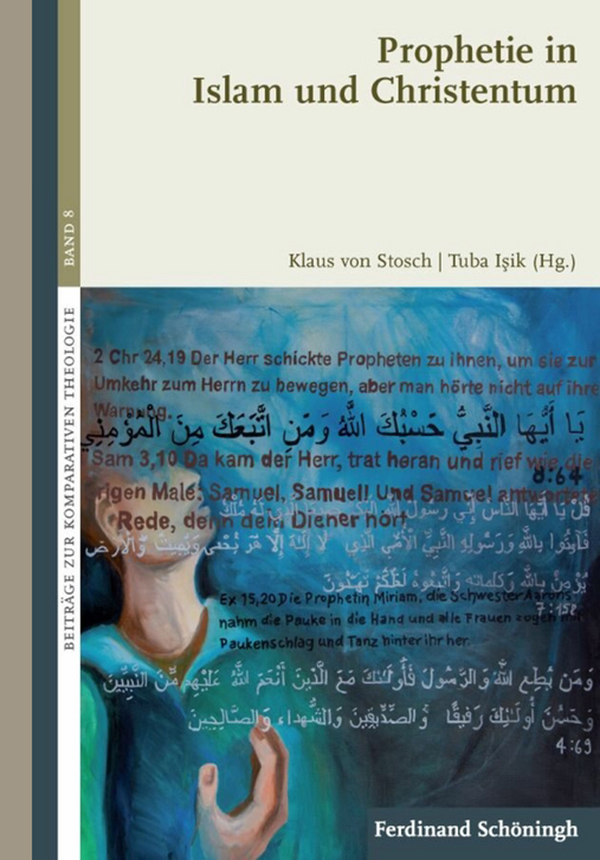
The topic of prophecy is a highly controversial subject in discussions between the major monotheistic religions. Prophets play an important role in all these religions and belief in them forms part of the foundations of faith in various ways. This volume focuses on systematic theological treatises on prophecy from Christian and Islamic perspectives. Among other things, it considers whether Muhammad can be recognised as a prophet from a Christian viewpoint. Furthermore, the volume addresses religious education issues in the two younger sister religions, while also exploring Jewish perspectives and considering the relevance of prophets in everyday life and religious education today.
Ethik und Ethische Bildung im Islam
The topic of prophecy is a highly controversial subject in discussions between the major monotheistic religions. Prophets play an important role in all these religions and belief in them forms part of the foundations of faith in various ways. This volume focuses on systematic theological treatises on prophecy from Christian and Islamic perspectives. Among other things, it considers whether Muhammad can be recognised as a prophet from a Christian viewpoint. Furthermore, the volume addresses religious education issues in the two younger sister religions, while also exploring Jewish perspectives and considering the relevance of prophets in everyday life and religious education today.
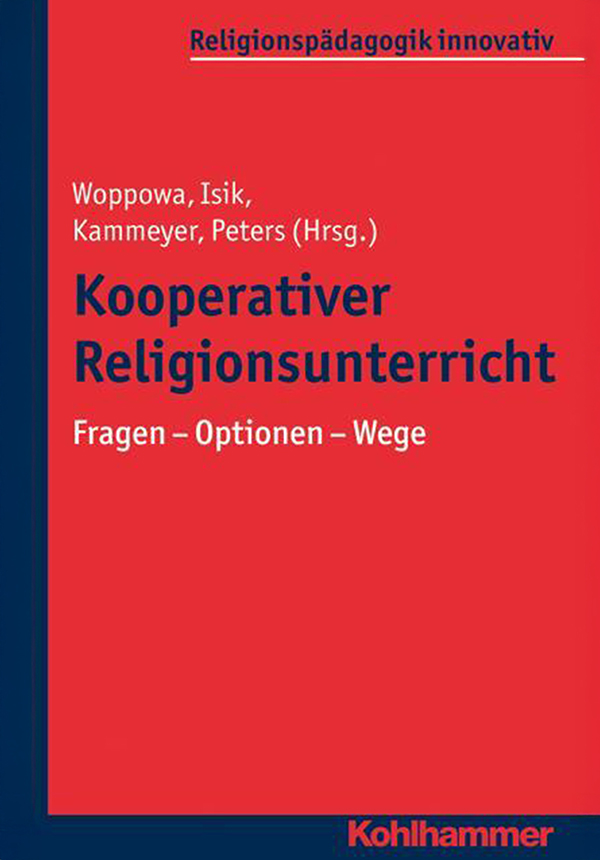
Kooperativer Religionsunterricht
This volume addresses current issues concerning forms and methods of interdenominational and interreligious cooperation in religious education in schools. From a systematic and practical-theological perspective, it first examines the concept of denominationality, and then discusses questions of religious education, practical experiences in schools, and the potential of cooperative learning processes in religious education.
Die Kultivierung des Charakters
This volume addresses current issues concerning forms and methods of interdenominational and interreligious cooperation in religious education in schools. From a systematic and practical-theological perspective, it first examines the concept of denominationality, and then discusses questions of religious education, practical experiences in schools, and the potential of cooperative learning processes in religious education.